
Detroit CBP agriculture specialists make first-in-nation moth discovery
ROMULUS, Mich. – U.S. Customs and Border Protection agriculture specialists made a first-in-the-nation interception of a potentially destructive moth at the Detroit Metropolitan Airport earlier this year.
The initial discovery took place in January after an agriculture detector canine alerted CBP staff to luggage from Ghana during a routine inspection. Closer examination of corn and seeds found within the luggage revealed a small, winged insect, which U.S. Department of Agriculture specialists later identified as a non-native straw crest moth (Mesophleps silacella).
Local CBP officials confirmed identification with USDA on Aug. 12, and records indicate this was the first encounter with the species at a U.S. port of entry.
“This first-in-the-nation interception demonstrates how thoroughly our agriculture specialists search items entering the United States to identify and stop potential pests,” said Port Director Fadia Pastilong. “I’m proud of the work our agriculture specialists here do every day, which includes the interception of hundreds of pests each year that could threaten the U.S. agriculture industry.”
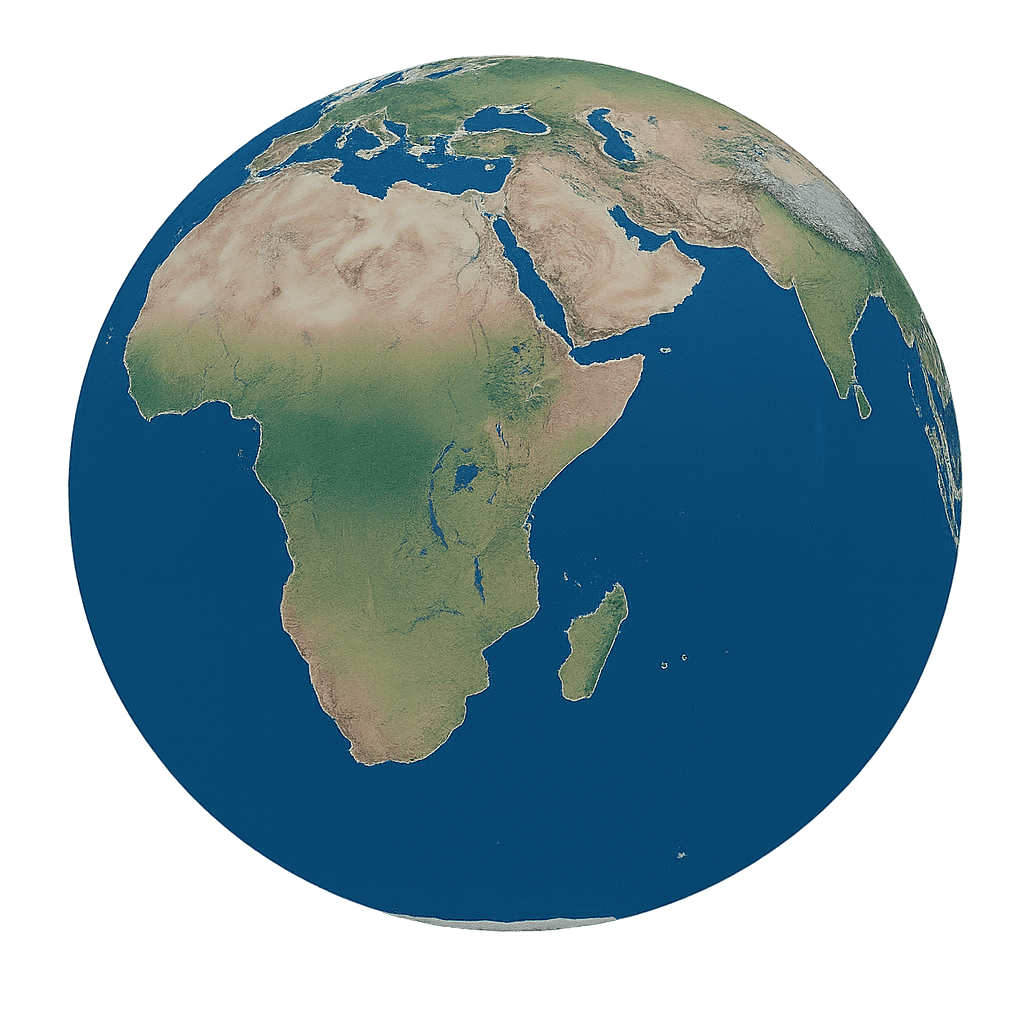
The straw crest moth is found in Europe and parts of Africa and is known to feed on plants in the rockrose family. There are about 4,700 known gelechiid species worldwide and the family includes several invasive and destructive pests. In their native areas, some pest species do not cause major damage because predators and plant resistance help control their numbers. That balance can be disrupted when pests enter a new area without those natural controls.
The traveler, a citizen of Ghana, was advised of agriculture import requirements and released without further issue.
“Declaring food and agricultural items isn’t just a formality—it’s our first line of defense against threats that can devastate our crops, compromise our food supply, and destabilize our economy,” said Director of Field Operations Marty C. Raybon.
Travelers can help safeguard American agriculture and natural resources by declaring all agricultural items to CBP personnel when entering the United States. Visit CBP.gov/travel to learn more.
Legal Disclaimer:
EIN Presswire provides this news content "as is" without warranty of any kind. We do not accept any responsibility or liability for the accuracy, content, images, videos, licenses, completeness, legality, or reliability of the information contained in this article. If you have any complaints or copyright issues related to this article, kindly contact the author above.
