

Galilee Eco Center Announces Development of Regenerative Agriculture and Education Campus in the Galilee for Tu B’Shvat
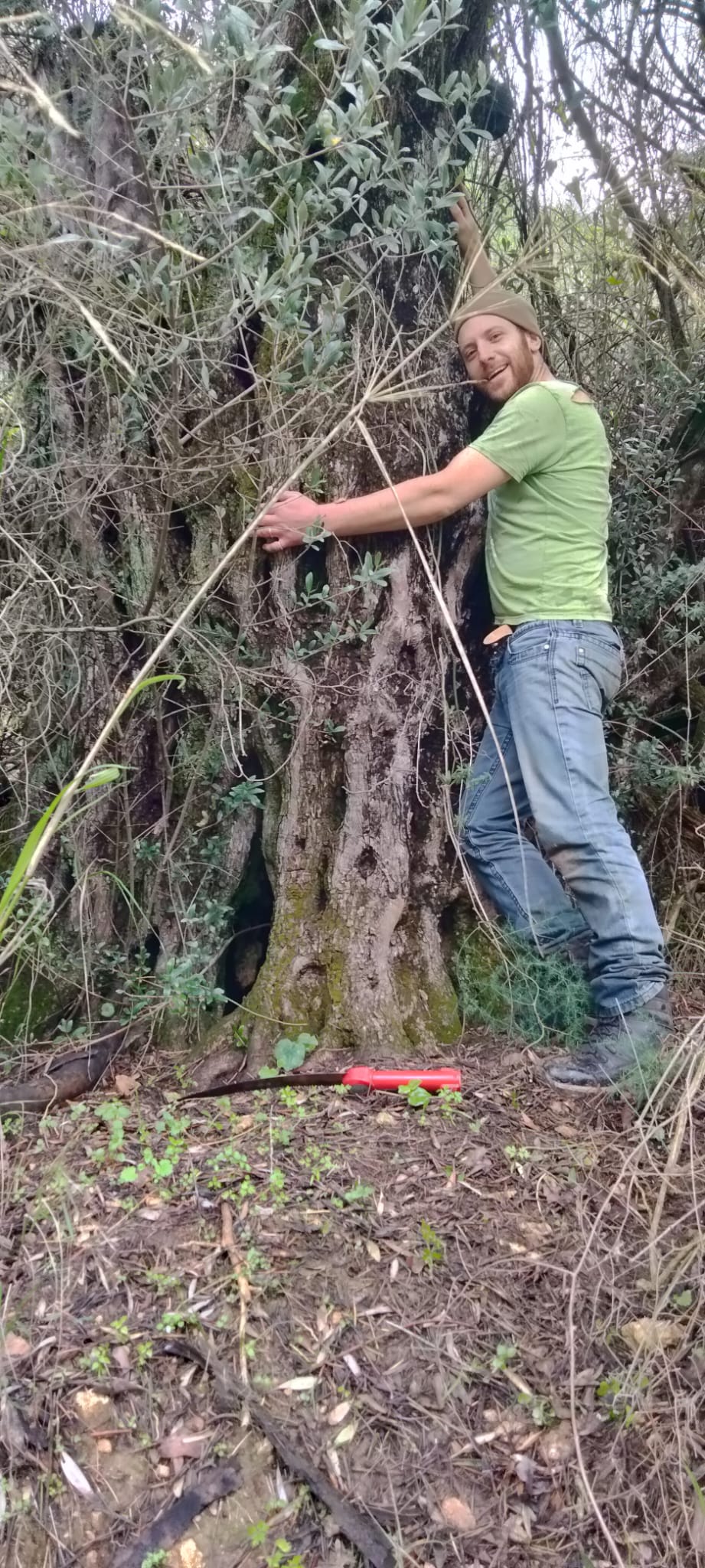
Avi Friedman, co-founder of the Galilee Eco Center, on site in the Upper Galilee—where vision meets the physical and regulatory realities of building a regenerative farm in Israel.
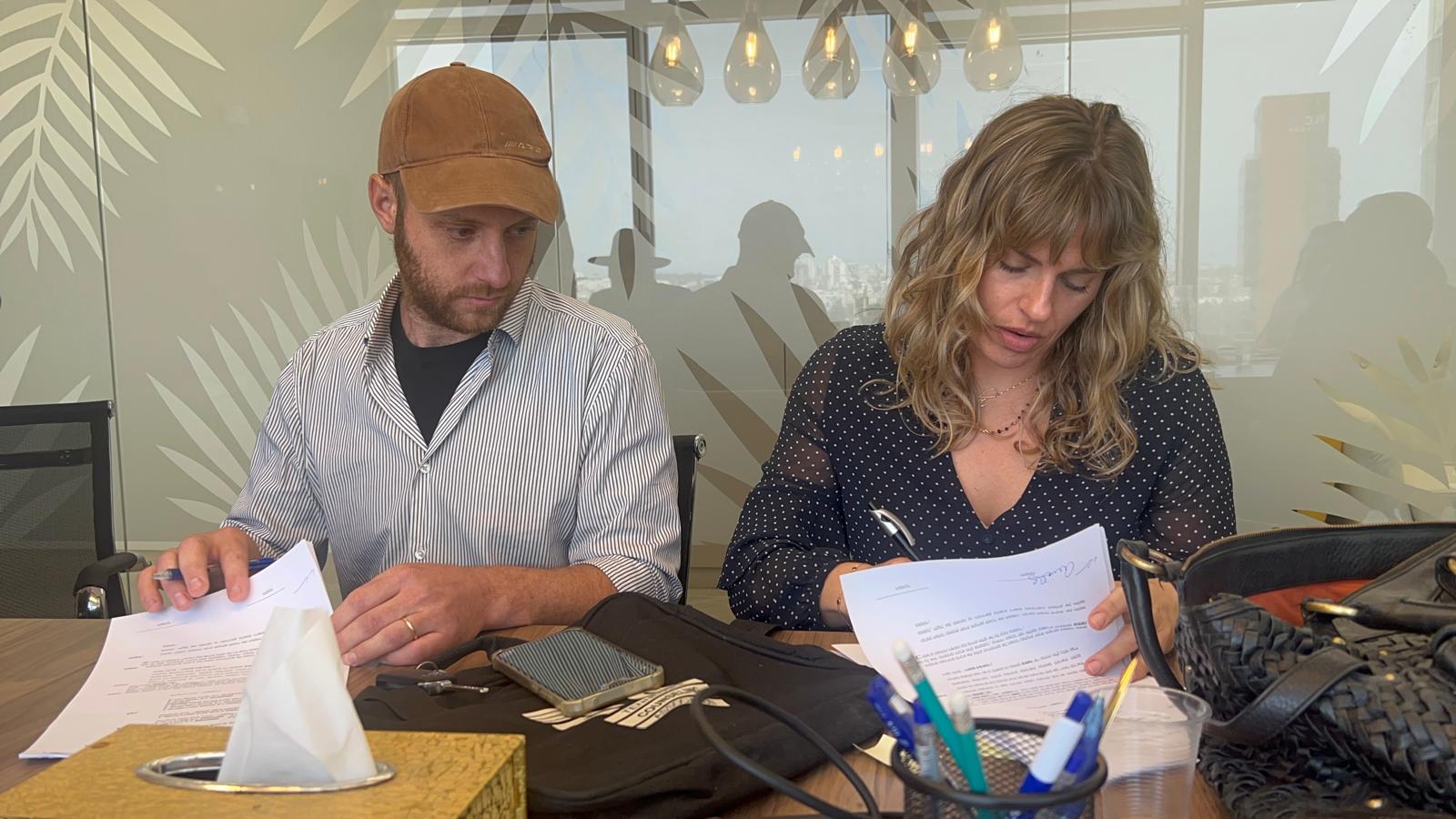
Founders of the Galilee Eco Center finalize a land purchase agreement, marking a major milestone in transforming a grassroots vision into a permanent ecological and educational campus.
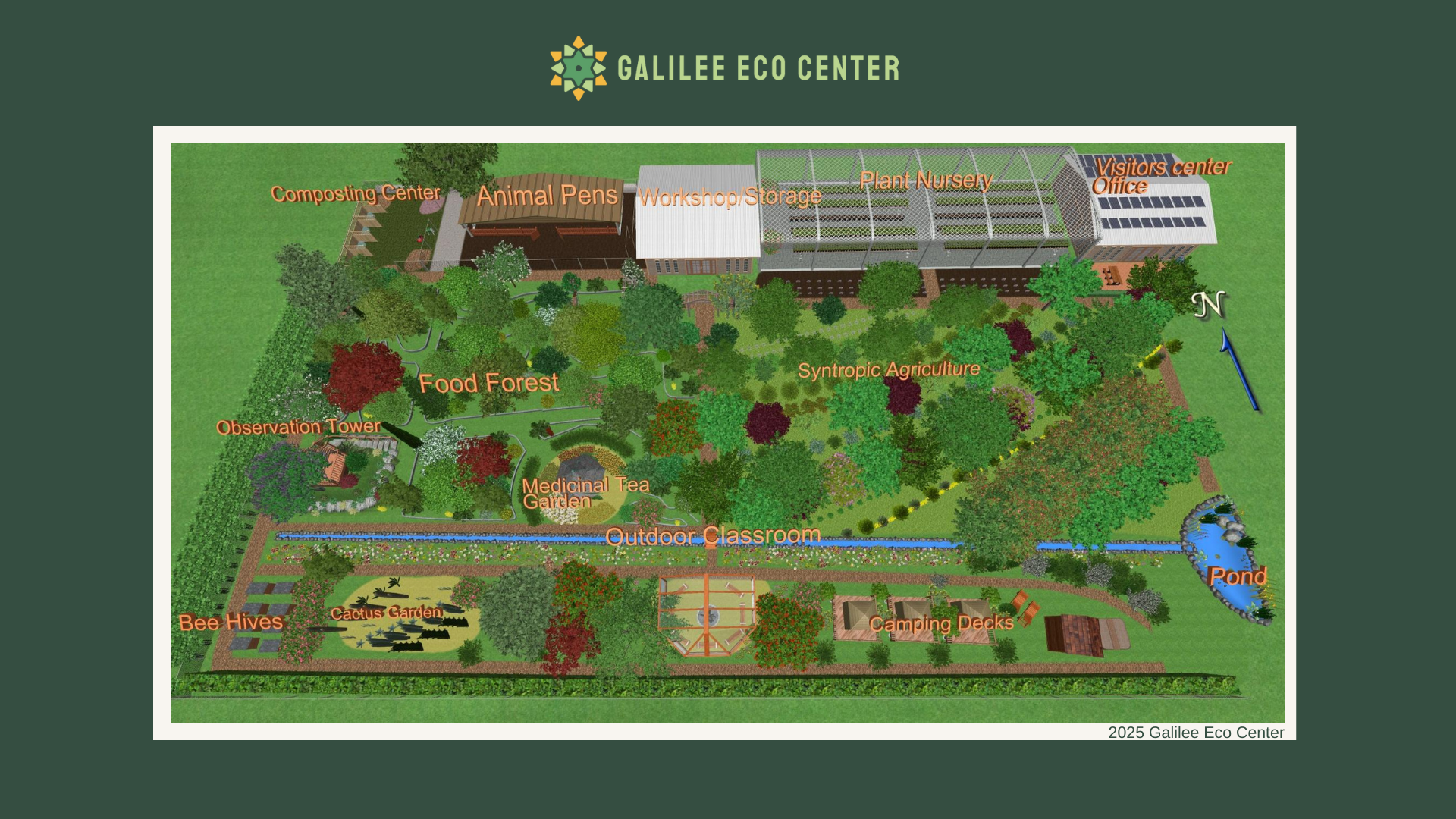
Conceptual site plan for the Galilee Eco Center’s future campus, integrating regenerative agriculture, education spaces, ecological restoration, and community programming.
As Tu B’Shvat begins, a small team is navigating Israel’s agricultural bureaucracy to build a regenerative farm and ecological education center in the Galilee.
The Galilee Eco Center is an emerging regenerative agriculture and ecological education initiative in Israel’s Upper Galilee. What began a year ago as an informal dream among friends, to recreate the kind of American-style Jewish farm and ecological learning centers that flourish in the U.S., has since become a real, on-the-ground test of what it means to steward land in Israel today.
“In the United States, organizations like Adamah helped prove that Jewish farming, education, and environmental responsibility could thrive together,” said Ariela Solomon, one of the project’s founders and CEO. “We asked a simple question: Why shouldn’t this exist in Israel, our ancestral homeland?”
The answer, it turned out, was far from simple.
While initial fundraising succeeded and land was secured through partnerships that expanded the project’s footprint, the realities of Israeli agricultural development quickly set in. From disproportionately strict regulations enforced with drone surveillance and escalating unforeseen compliance costs, to layered approval processes with unclear policy ownership and fragmented accountability across multiple government bodies, establishing a farm, let alone a regenerative, educational one, has required navigating a dense and often opaque bureaucracy.
“Farming in Israel is not for the faint of heart,” said Dr. Yael Maoz, Chair of the Galilee Eco Center’s board. “But Tu B’Shvat teaches us that growth comes through patience, persistence, and long-term commitment to the land. That lesson feels especially relevant right now.”
The project’s origins trace back to Tu B’Shvat 2024, just two months after October 7, when the original Chevra Eco Farm raised $15,000 through a grassroots crowdfunding campaign, despite having no permanent site and no formal nonprofit status. Today, the Galilee Eco Center is an officially registered Israeli amuta and U.S. 501(c)(3), developing a 22-dunam campus near Rosh Pina.
In response to the challenges encountered, the founders have assembled a growing executive board in Israel and the United States, drawing on expertise in agriculture, education, environmental policy, and nonprofit governance to guide the next phase of development.
The Galilee Eco Center plans to host informal educational programs, volunteer opportunities, and service-learning initiatives for youth and adults. Its model integrates regenerative farming practices, still rare in a region dominated by monoculture, with pluralistic Jewish learning rooted in the mitzvot of the Land.
“Our goal isn’t only to grow food,” said Avi Friedman, one of the founders. “It’s to grow responsibility, resilience, and connection to the land and to one another.”
“We believe that collaboration with well established, visionary partners from North America and Israel will enable us to achieve our goals” said Ariela.
As Tu B’Shvat invites reflection on roots and renewal, the Galilee Eco Center represents a long-term investment in Israel’s ecological and communal future. One being built carefully, deliberately, and against the odds.
Ariela Solomon
Galilee Eco Center
+972 52-696-7168
email us here
Visit us on social media:
LinkedIn
YouTube
Legal Disclaimer:
EIN Presswire provides this news content "as is" without warranty of any kind. We do not accept any responsibility or liability for the accuracy, content, images, videos, licenses, completeness, legality, or reliability of the information contained in this article. If you have any complaints or copyright issues related to this article, kindly contact the author above.
